Wednesday, 21 October 2026
The Dhaka News

Revolution in Taro Stolon (Loti) Cultivation in Kamarkhola Village, Chandina

Revolution in Taro Stolon (Loti) Cultivation in Kamarkhola Village, Chandina

Walking through the heart of Maizkhar Union in Comilla's Chandina Upazila reveals a breathtaking expanse of green scenery. Sprawling across the village's vast fields is a rich abundance of vegetables, among which the most vibrant and profitable crop is taro stolon, locally known as kachur loti. The village is Kamarkhola. While the name once evoked traditional professions, today Kamarkhola stands for a massive revolution in vegetable farming. The soil of this village seems to turn into gold, and local farmers have transformed their fortunes by pouring their intellect and labor into it. Although tomatoes, cucumbers, and taro are regularly cultivated here, the farming of loti has given the village a unique identity.

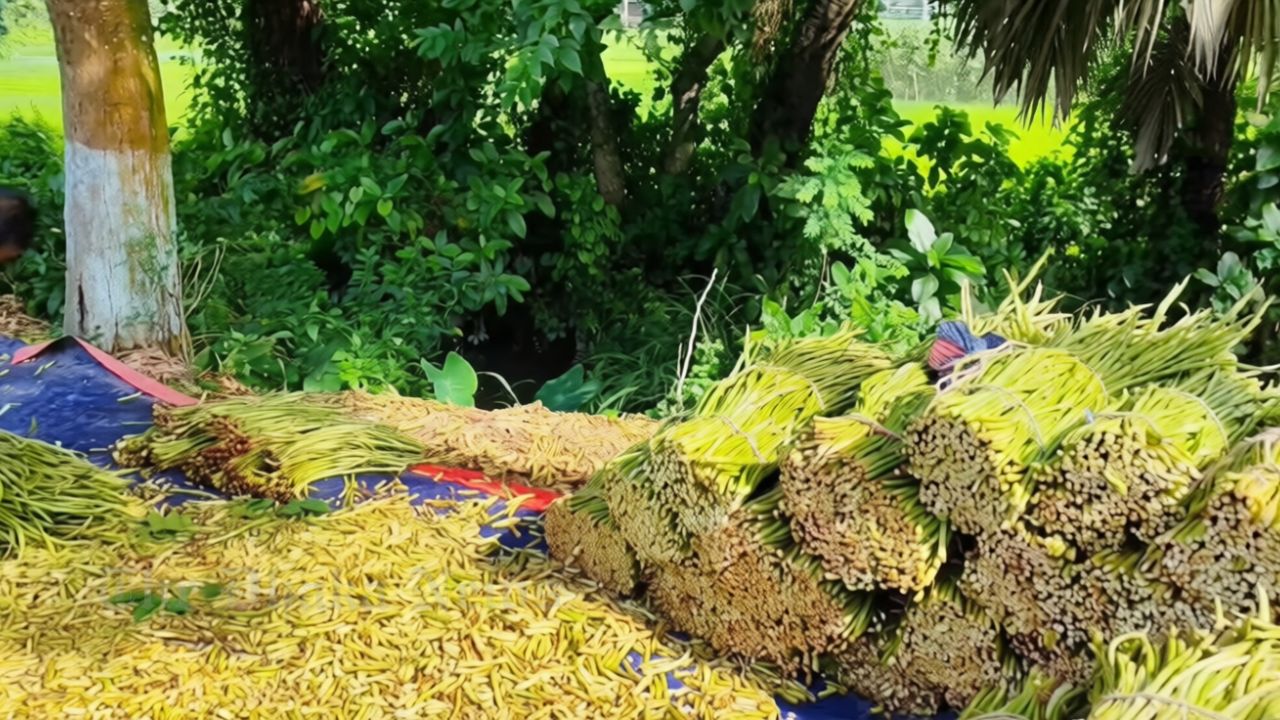
Every family in Kamarkhola village is connected to vegetable farming in one way or another. Farmers head to the fields even before dawn breaks. Their daily hustle begins with harvesting fresh loti after intensive care. The bustling activities of harvesting, carefully tying them into bundles, and preparing them for market create a festive atmosphere in the village. According to the farmers, the soil and weather of this area are extremely suitable for growing taro and loti. Because of the relatively low cost and short time required to yield a good harvest, the village farmers enthusiastically engage in loti cultivation throughout the season.

Vegetable farming in Kamarkhola is not just limited to production; a wonderful local market system and commercial chain have also developed here. Small and marginal farmers sell their hard-earned crops directly to local wholesalers. Freshly harvested loti from the fields is sold at wholesale markets for around 20 to 25 Taka per kg. Getting instant cash in hand brings smiles to the faces of small-scale farmers as they return home, directly contributing to the improvement of their living standards.

Medium and large traders or wholesalers of the village form a crucial part of this system. They gather loti collected from small farmers in one place. Then, they carefully process and pack them into sacks, preparing them to be sent to various districts. These loti reach major wholesale markets in the capital Dhaka, coastal Noakhali, and the port city of Chittagong very rapidly. Wholesalers in different districts sell this loti for 35 to 40 Taka per kg. As a result, a strong economic bond has been forged, stretching from the producing village of Kamarkhola to markets far and wide.

The loti revolution in Kamarkhola has not only brought prosperity to a few farmers; it has brought a new momentum to the economy of the entire region. On one hand, a steady supply of fresh vegetables is maintained in local markets, while on the other hand, the hardworking people of this village are delivering delicious and nutritious food to major cities across the country. Where uncertainty once prevailed, the farmers of Kamarkhola now wear wide smiles of self-reliance.

Such an exquisite blend of natural beauty and human labor is rarely seen. Kamarkhola village in Chandina has proven that with the right initiative and dedicated labor, one can achieve self-employment and economic prosperity using one's own soil as an asset. The loti in these green fields is not merely a vegetable; it is the successful manifestation of the sweat-drenched dreams of hundreds of farmers in Kamarkhola.


Stay connected with The Dhaka News

The Dhaka News

বুধবার, ২১ অক্টোবর ২০২৬


Revolution in Taro Stolon (Loti) Cultivation in Kamarkhola Village, Chandina

Published : ২০ অক্টোবর ২০২৬

featured Image
Walking through the heart of Maizkhar Union in Comilla's Chandina Upazila reveals a breathtaking expanse of green scenery. Sprawling across the village's vast fields is a rich abundance of vegetables, among which the most vibrant and profitable crop is taro stolon, locally known as kachur loti. The village is Kamarkhola. While the name once evoked traditional professions, today Kamarkhola stands for a massive revolution in vegetable farming. The soil of this village seems to turn into gold, and local farmers have transformed their fortunes by pouring their intellect and labor into it. Although tomatoes, cucumbers, and taro are regularly cultivated here, the farming of loti has given the village a unique identity.Every family in Kamarkhola village is connected to vegetable farming in one way or another. Farmers head to the fields even before dawn breaks. Their daily hustle begins with harvesting fresh loti after intensive care. The bustling activities of harvesting, carefully tying them into bundles, and preparing them for market create a festive atmosphere in the village. According to the farmers, the soil and weather of this area are extremely suitable for growing taro and loti. Because of the relatively low cost and short time required to yield a good harvest, the village farmers enthusiastically engage in loti cultivation throughout the season.Vegetable farming in Kamarkhola is not just limited to production; a wonderful local market system and commercial chain have also developed here. Small and marginal farmers sell their hard-earned crops directly to local wholesalers. Freshly harvested loti from the fields is sold at wholesale markets for around 20 to 25 Taka per kg. Getting instant cash in hand brings smiles to the faces of small-scale farmers as they return home, directly contributing to the improvement of their living standards.Medium and large traders or wholesalers of the village form a crucial part of this system. They gather loti collected from small farmers in one place. Then, they carefully process and pack them into sacks, preparing them to be sent to various districts. These loti reach major wholesale markets in the capital Dhaka, coastal Noakhali, and the port city of Chittagong very rapidly. Wholesalers in different districts sell this loti for 35 to 40 Taka per kg. As a result, a strong economic bond has been forged, stretching from the producing village of Kamarkhola to markets far and wide.The loti revolution in Kamarkhola has not only brought prosperity to a few farmers; it has brought a new momentum to the economy of the entire region. On one hand, a steady supply of fresh vegetables is maintained in local markets, while on the other hand, the hardworking people of this village are delivering delicious and nutritious food to major cities across the country. Where uncertainty once prevailed, the farmers of Kamarkhola now wear wide smiles of self-reliance.Such an exquisite blend of natural beauty and human labor is rarely seen. Kamarkhola village in Chandina has proven that with the right initiative and dedicated labor, one can achieve self-employment and economic prosperity using one's own soil as an asset. The loti in these green fields is not merely a vegetable; it is the successful manifestation of the sweat-drenched dreams of hundreds of farmers in Kamarkhola.

The Dhaka News

Editor: Taskin Ahmed Riyad 

Copyright © ২০২৬ The Dhaka News । All Right Reserved